


Why International Buyers Prefer Gulupa
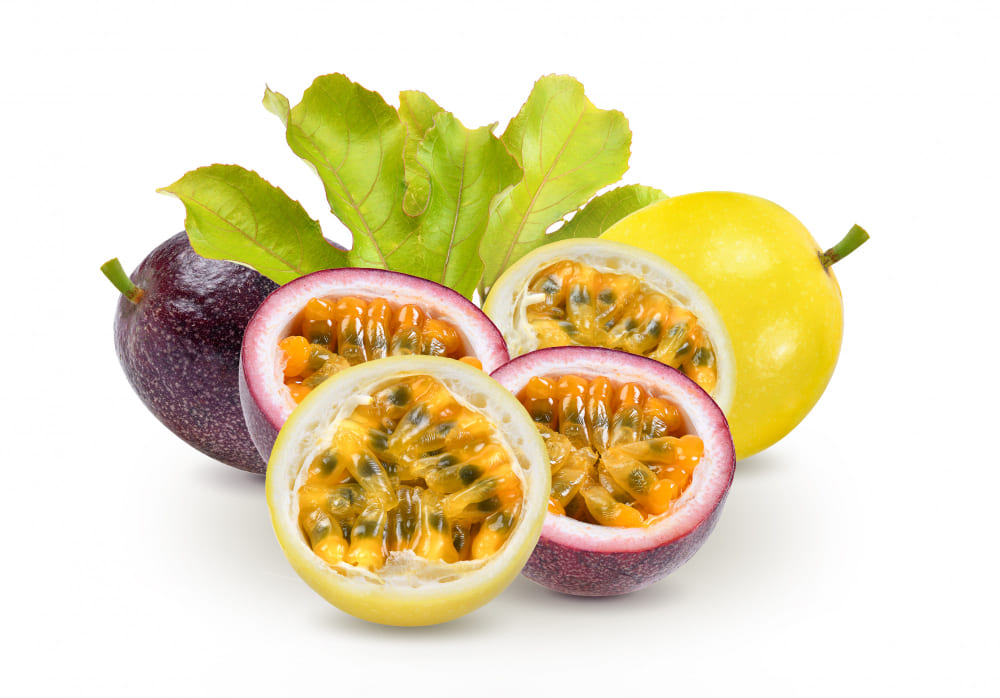
Many know it as the “purple cousin of passion fruit.” But gulupa is a distinct fruit with an identity of its own, and Colombia is practically the only country that produces it in commercial volumes. That makes it a strategic product for anyone working in the import and export of high-quality Colombian tropical fruit.
What is gulupa and what are its names?
Gulupa (Passiflora edulis f. edulis) is the purple-skinned variety of passion fruit, native to the high-Andean areas of South America. Its botanical name links it directly to the passiflora family, but in commercial practice it is treated as a different product, with its own market niche, its own prices and its own buyers.
In Colombia it goes by different names depending on the region: gulupa, cholupa (in some areas of Huila and Tolima), or simply “purple maracuyá.” In international markets it is known as purple passion fruit or purple granadilla.
The differences between gulupa and maracuyá (yellow passion fruit)
Confusion between the two fruits is common. These are the relevant differences if you want to identify the key characteristics that set these two exotic Colombian fruits apart.
If you are looking to import gulupa, it is important to know the differences between gulupa and maracuyá:
| Characteristic | Gulupa
| Maracuyá (yellow passion fruit)
|
| Botanical name | P. edulis f. edulis | P. edulis f. flavicarpa |
| Skin colour | Dark purple | Bright yellow |
| Growing altitude | 1,800–2,200 m.a.s.l. | 0–800 m.a.s.l. |
| Flavour profile | Aromatic, balanced sweet-acid | More acidic, intense tropical aroma |
| Size | Small (40–60 g) | Large (80–120 g) |
| Global availability | Almost exclusive to Colombia | Brazil, Ecuador, Vietnam, others |
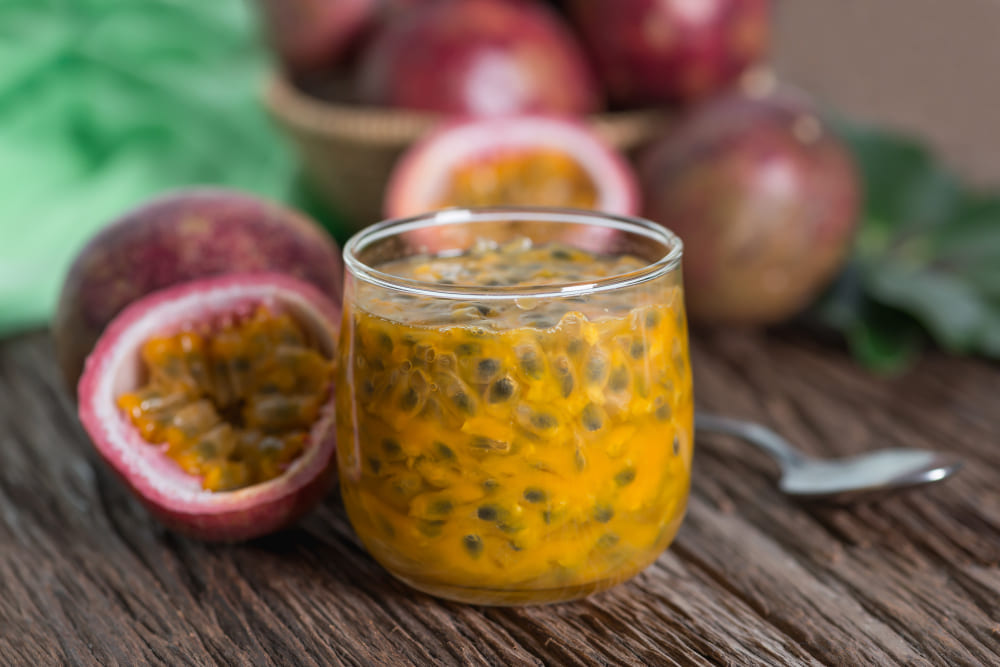
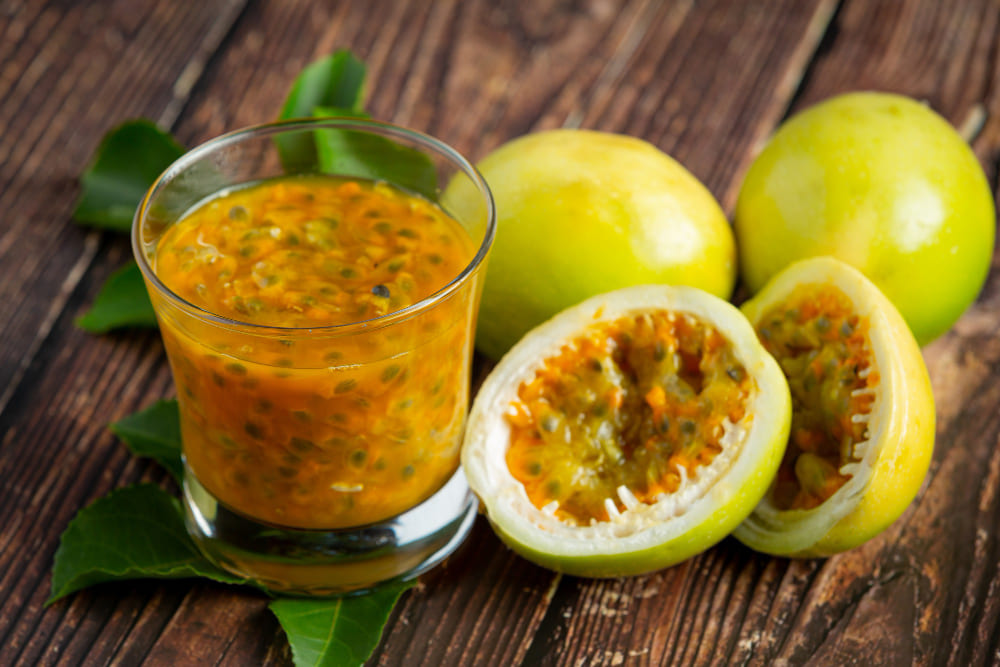
That geographical exclusivity is one of Colombian gulupa’s strongest commercial arguments: anyone who wants consistent-quality purple passion fruit has few options outside Colombia.
Gulupa’s sensory profile and culinary uses
Gulupa pulp has an intense orange-yellow colour with glossy black seeds. Its aroma is more floral than that of maracuyá, with notes that some sommeliers and perfumers describe as jasmine, passion fruit and ripe citrus.
In international cuisine, gulupa is favoured by chefs and is typically used in:
- Beverages: pure or blended gulupa juice is the most widespread form of consumption, both in Colombia and in export markets. Its natural acidity makes it ideal for shakes, smoothies and signature cocktails.
- Desserts and baking: mousses, creams, sorbets and cakes that make the most of its colour and aroma. Its acidity balances well with dark chocolate and vanilla flavours.
- Sauces and dressings: gulupa is also used to accompany meat or fish, a trend that has gained ground in fine-dining restaurants across Europe and North America.
- Food industry: frozen pulp for the production of yoghurts, ice creams, nectars and confectionery.
Where does Colombian gulupa come from?
The main gulupa-producing areas in Colombia are on the slopes of the Andean mountain range, where the conditions of temperature, relative humidity and light produce the organoleptic characteristics that distinguish export fruit.
The Colombian departments with the greatest production of this exotic fruit include Cundinamarca, Huila, Antioquia, Boyacá and Nariño.
Gulupa crops are mostly small and medium-sized family farms, organised into associations or linked to export companies that manage quality standards, packing and logistics.
In the case of our export gulupa at Prosagro Export, we work directly with partner growers in areas with optimal altitude and under permanent technical supervision.
How to recognise export-quality gulupa
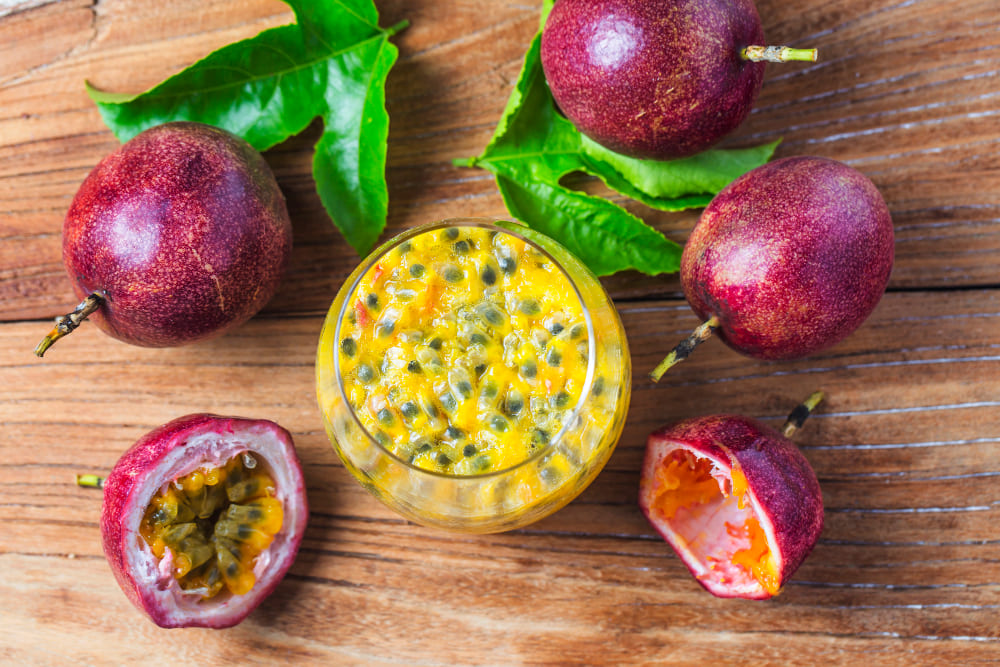
For the international buyer, the quality indicators of a first-grade Colombian gulupa are:
- Colour: uniform purple skin, with no green patches or discoloured areas.
- Firmness: the fruit should give slightly under pressure, being neither hard nor wrinkled. A very wrinkled gulupa indicates that it is overripe — normal for immediate consumption, but not ideal for long-distance transport.
- Weight: for fresh export fruit, the most sought-after size is usually between 45 and 65 grams.
- Aroma: intense and floral, noticeable even through the packaging.
- Brix degrees: export pulp generally has between 12 and 16 °Brix, indicating a good level of natural sugars.
For international importers: if you are looking for a Colombian gulupa supplier with ICA phytosanitary certification, an established cold chain and regular export capacity, you can contact the Prosagro Export team to ask about availability and terms.
Seasons and availability of the fruit
One of Colombia’s logistical advantages over other tropical producers is its ability to offer gulupa almost all year round, thanks to the diversity of altitudinal climate zones (pisos térmicos) and staggered production across different departments.
The periods of greatest supply are usually concentrated in the main harvest months of each area, which the exporter can communicate in advance so that orders can be planned.
To check up-to-date availability calendars, write to us directly.
Gulupa in global search: what the data says
Interest in gulupa on international search engines has grown notably in recent years.
English searches such as purple passionfruit, Colombian passionfruit or gulupa fruit show rising volumes in markets such as the United Kingdom, the United States, Germany and Australia. This coincides with the growth of gastronomic interest in exotic ingredients and the consolidation of the “superfruit” concept in food-product communication.
For importers, this translates into end-user demand coming from the ground up: consumers are already searching for the fruit, and those who have it on the shelf hold a real competitive advantage over those who have not yet added it to their catalogue.
