


El Niño in Colombia: Protect Your Gulupa Crop with These Management Practices
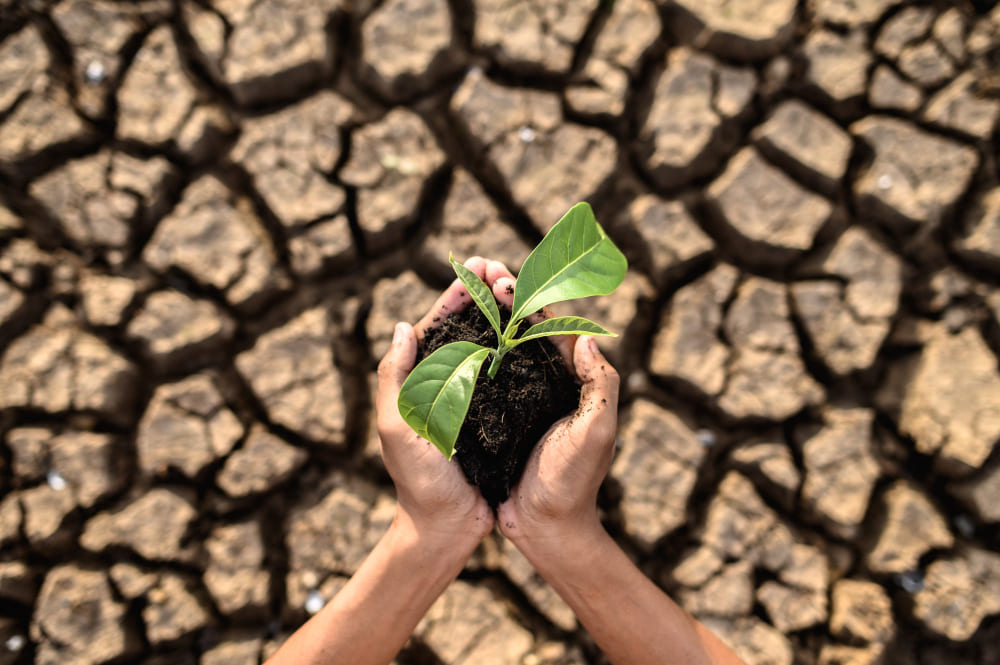
In May 2026, IDEAM reported that the probability of Colombia facing a new El Niño episode already exceeds 90% from September onwards, with projections that some international models rate as the most intense in the last 30 years.
For gulupa (purple passion fruit) growers, this is not generic weather news. It is a concrete signal of what may happen in the field over the coming months, which is why we must begin preventive monitoring and early communication about the possible climate scenario.
Aquí encontrarás...
What El Niño is and why Colombia feels it so directly
El Niño, technically known as ENSO (El Niño–Southern Oscillation), is the anomalous warming of the surface waters of the tropical Pacific Ocean in its central and eastern sectors. When those waters warm by 1 °C to 3 °C above normal, the pattern of winds and rainfall changes across much of the continent.
In Colombia, that change usually means less rainfall, more heat and longer dry spells. Not uniformly across the country, but certainly in the Caribbean, Andean and Pacific regions — precisely where gulupa is grown.
The probability of El Niño developing in Colombia rises gradually towards June, July and August, arriving slightly ahead of the second half of 2026.
The difference between a normal drought and El Niño
An ordinary drought is local and temporary. El Niño reorganises atmospheric circulation on a continental scale for months, sometimes for more than a year. It does not only reduce rainfall: it raises the average temperature, lowers relative humidity and alters soil moisture cycles.
For a crop such as gulupa (Passiflora edulis f. edulis), which requires stable conditions throughout its productive cycle, that combination is the hardest to manage.
What IDEAM projects for Colombia in 2026
The Institute of Hydrology, Meteorology and Environmental Studies (IDEAM) and the Ministry of the Environment published a formal update of their projections in May 2026. The director of IDEAM, Ghisliane Echeverry Prieto, stated: “Across most of Colombia, the phenomenon is associated with reduced rainfall and rising temperatures, although in some areas the effects may be less intense or even the opposite.”
The probability of El Niño conditions becoming established rises from 61% in the May–July quarter to 90% in September, with an intensity that NOAA models rate at an 83% probability of occurrence by the end of the year and a 13% chance of reaching “super El Niño” category.
The Minister of the Environment, Irene Vélez Torres, summarised the risks: “The impacts include a higher risk of forest fires, heatwaves, water stress and effects on food production.”
Temperatures in the Caribbean region could reach 40 °C. In the Andean areas where gulupa is grown, the expected increase is between 0.5 °C and 1.5 °C above the historical average.
In the first half of 2024, according to El Colombiano, Colombian reservoirs fell to 28.6% of their capacity — the lowest level in 25 years. More than 500 municipalities activated water-shortage alerts. The livestock sector lost 16,740 animals and 703,729 hectares were affected.
Colombian agriculture absorbs 82% of the damage caused by each severe drought. That was the last El Niño. And the one approaching could be worse.
Why energy also matters to the agricultural sector
Colombia generates 66% of its electricity from hydropower. During the 2024 El Niño, the spot-market price of a kilowatt-hour rose by 200%, from COP 350 to COP 1,024.
For growers who depend on electric irrigation systems, that means much higher operating costs precisely when they need water most. It is an indirect effect of El Niño that is rarely included in agricultural analysis.
El Niño’s impact on the gulupa crop
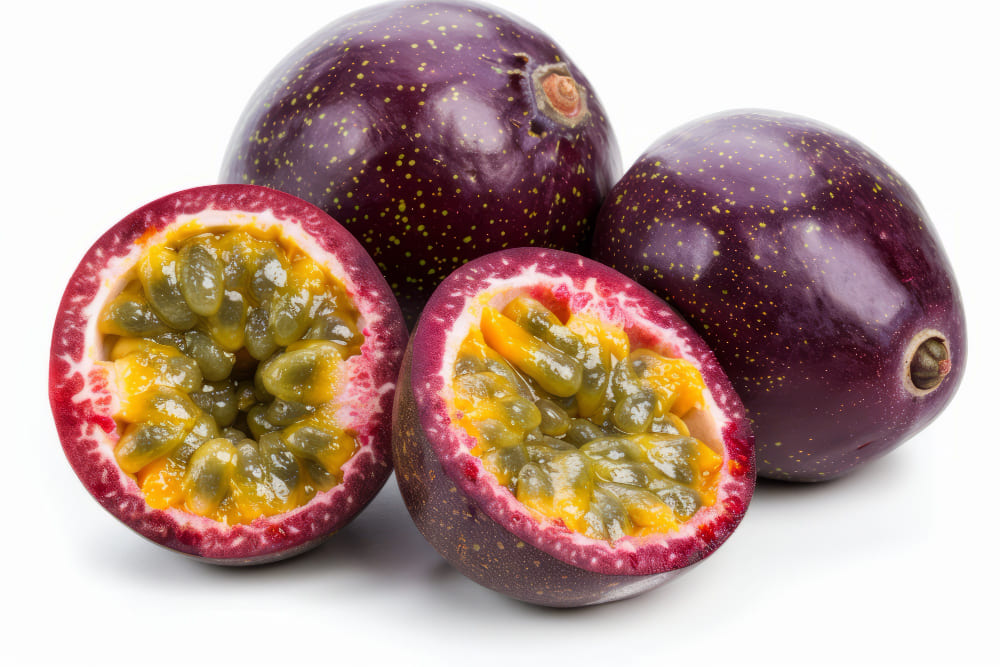
To produce a good harvest, gulupa requires annual rainfall of between 1,200 and 2,000 mm, temperatures between 16 °C and 22 °C and relative humidity of 70% to 80%. It grows between 1,800 and 2,400 metres above sea level, at altitudes that the Colombian Society of Farmers (SAC) rates as the most suitable for export production.
It also needs more than 2,000 mm of water per year, distributed throughout the year.
The key point with passifloras is that they flower and bear fruit all year round, so they need well-distributed rainfall and do not grow well when supply is lacking without supplementary irrigation.
In addition, the ideal relative humidity for good pollination is between 80% and 94%, which means that in dry environments the pollen dehydrates.
During El Niño, the gulupa crop can be affected in the following ways:
- Temperature rising above the plant’s comfortable range (heat stress).
- Greater solar radiation.
- Water deficit / water stress / drought (less water available to the plant).
- Higher evapotranspiration from the plants.
- An increase in pests (thrips and mites).
- Production problems due to dehydration, fruit size and quality.
- A drop in relative humidity that affects fruit set. Severe drought causes flower abortion, smaller fruit, sunburn and dehydration.
In short, El Niño can alter the three main variables the crop needs: it reduces rainfall below the minimum threshold, raises the temperature above the optimal range and lowers relative humidity. When this happens over a prolonged period, the stress on the plant is cumulative.
What happens to gulupa under water stress
When rainfall drops below what the crop requires and there is no supplementary irrigation, the plant enters water deficit.
In gulupa, that deficit during fruit development produces concrete consequences: the fruit comes out smaller, with rough skin, dry pulp and low juice content. The aroma diminishes. The flavour loses intensity.
In practical terms: all this lack of water means the gulupa fails to meet the export parameters for Europe. The Dutch, German and British markets, which together bought more than 80% of the Colombian gulupa exported in 2025, pay differentiated prices for premium-quality fruit. A drought-affected harvest arrives with a higher proportion of second-grade product, or it fails the residue controls.
Can water stress trigger flowering in gulupa? Yes, and this confuses many growers. A short dry period can induce flowering, which appears to be positive. The problem arises when the drought continues during fruit set and fruit growth: the plant flowers but cannot develop the fruit properly. The result is a high rate of fruit abortion.
Temperature and what it does to gulupa’s reproductive process
Studies carried out in the Colombian Andes with Passiflora edulis show that the optimal temperature during the reproductive phase is around 18 °C during the day and 13 °C at night, with a vapour pressure deficit below 0.5 kPa. When the temperature rises above this range, the plant’s transpiration increases and its water demand becomes impossible to meet without supplementary irrigation.
How to prepare the gulupa crop for what is coming, and some management practices
The growers who maintain yields during severe droughts share several decisions that they took before — not during — the phenomenon.
1. Water first: technical irrigation before the drought arrives
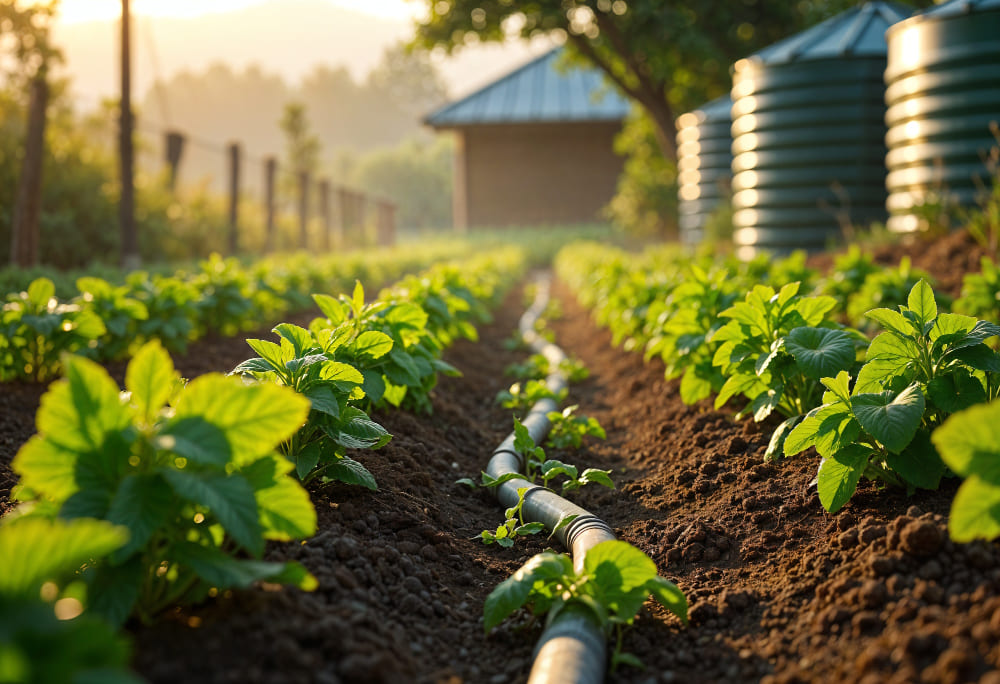
Drip irrigation is the most effective technology for sustaining the crop when the rain fails. It distributes water evenly, minimises losses to evaporation and allows the dose to be adjusted.
We also recommend manual irrigation or fertigation: for small plants, 1 L every other day, and for plants in production, 8 L/day. Keep moisture between 60% and 80% of field capacity. Look after the water resource, avoiding leaks and waste. Build tanks and collect rainwater where possible.
Soil moisture sensors, which once seemed a costly investment, reduced water consumption without sacrificing yield on several farms in the Andean region during the 2024 El Niño.
The most critical thing is to have access to supplementary water before September. Growers who depend exclusively on rainfall are left unprotected once the phenomenon takes hold. Those with reservoirs, access to irrigation ditches or deep wells can keep producing when others stop.
Biostimulants help improve tolerance to water stress and the physiological recovery of crops, using seaweed extracts, amino acids and humic and fulvic acids.
One detail many underestimate is that if irrigation is electric, the operating cost in 2026 will be considerably higher than in normal years, given El Niño’s impact on tariffs. Calculating that additional cost is already part of the crop’s financial management this year.
Also activate the departmental government’s Agricultural Insurance Incentive before El Niño is officially declared. For export gulupa, a loss of fruit set or fruit size directly affects the export price, so the insurance is worthwhile.
2. Soil, cover and nutrition during the drought
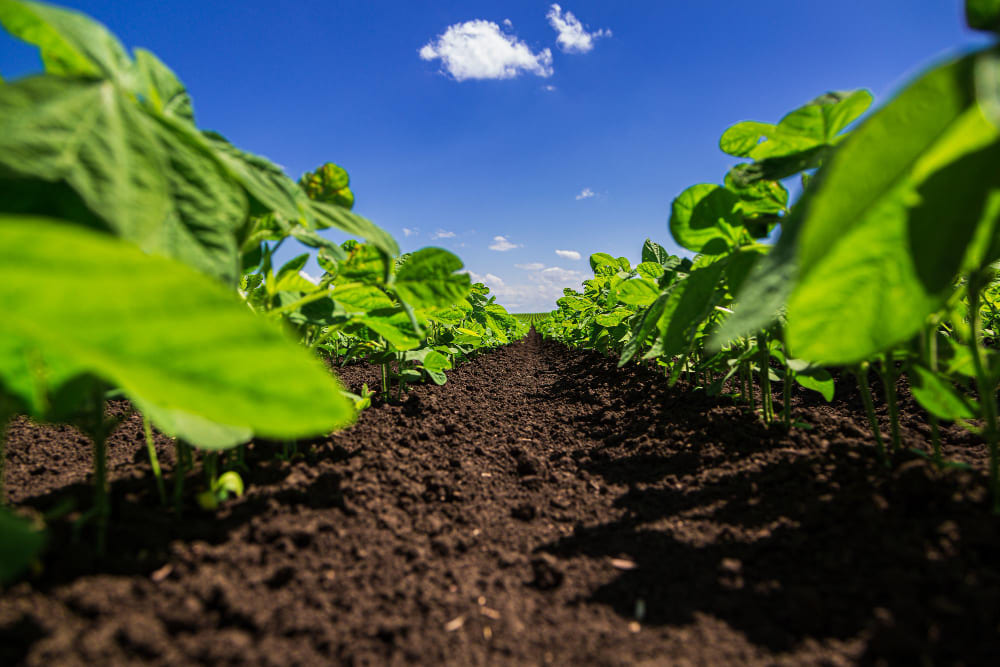
We recommend increasing organic matter with good-quality compost such as vermicompost, bokashi or biol, applied over the alleys or basins of the gulupa crop. These improve water retention and soil structure and protect the microbiota.
Soil with good vegetative cover loses less moisture. Mulching around the base of the plant reduces direct evaporation and keeps the temperature more stable in the root zone. It requires little investment and the effect is immediate.
Organic mulch made from rice husk and pruning residues helps reduce evaporation by 30% to 50%.
As for nutrition, potassium helps the plant regulate its stomata and better control water loss through transpiration; applying it to dry soil is inefficient and can cause phytotoxicity. The general recommendation is to apply it with available moisture or with supplementary irrigation.
Also use beneficial living cover crops that reduce the soil’s direct exposure to the sun. This way you avoid using herbicides and keep cover over the rows — small, creeping plants that do not compete with the crop. Keep them from flowering by managing them manually. This can bring benefits such as lower soil temperature, erosion prevention and improved infiltration.
During the drought we advise increasing the following nutrients:
- Potassium (very high priority): improves stress tolerance.
- Calcium (very high priority): helps with fruit firmness.
- Silicon (very high priority): supports biotic resistance and reduces excessive transpiration.
- Magnesium (high priority).
- Nitrogen (medium priority): supports fruit retention.
Should I change my fertilisation programme during El Niño? Yes. In periods of stress, the plant prioritises survival over production. Applying high doses of nitrogen during drought can worsen the situation. Shifting to balanced fertilisation with an emphasis on potassium and foliar biostimulants produces better results.
3. The phytosanitary risk that is underestimated
El Niño does not only cause drought. High temperatures and plant stress favour the proliferation of fruit fly and mites.
At the same time, a weakened plant is more vulnerable to opportunistic pathogens. In 2024, fruit-fly infestations increased in several gulupa-growing areas and became one of the arguments European buyers used to apply stricter controls.
Frequent, preventive — not reactive — phytosanitary monitoring during the dry period is part of risk management.
Nutritional management is key in fertilisation and to maintaining cellular hydration: it prevents fruit drop, sustains fruit size and weight, improves firmness and post-harvest life, and reduces oxidative stress and heat damage
Would you like to review the condition of your crop before the dry season arrives?
As a contingency plan, we recommend building reservoirs, adjusting the soil and improving nutrition and organic matter beforehand. During El Niño, carry out controlled irrigation, intensive phytosanitary monitoring and stress reduction; and once the heatwave passes, implement nutritional recovery and renewal pruning.
At Prosagro Export we work directly with gulupa growers in Antioquia and other regions of the country. We understand the requirements of the European market, the conditions of each growing area and the protocols that make the difference between export-grade fruit and fruit that does not pass inspection.
If you would like to analyse how El Niño may affect your particular production, or to review whether your current practices are sufficient to maintain quality during the second half of the year, we can carry out that review together.
Every farm has its own variables. There are no generic formulas. But there are decisions worth taking now, not in September.
Write to us for personalised advice and let’s assess what lies ahead together.

